Biomass Briquettes vs Coal: Key Differences for Industrial Fuel
Industries around the world are exploring different fuel options to manage energy costs, improve resource efficiency and support more sustainable manufacturing practices. Among the available solid fuels, biomass briquettes and coal are two options used for industrial heating and thermal energy applications.
But what is the difference between biomass briquettes and coal? Which fuel is more suitable for industrial boilers, furnaces and other heating applications?
In this article, we explain their key differences, manufacturing processes, applications and important factors industries should consider before selecting an industrial fuel.
1. What Are Biomass Briquettes?
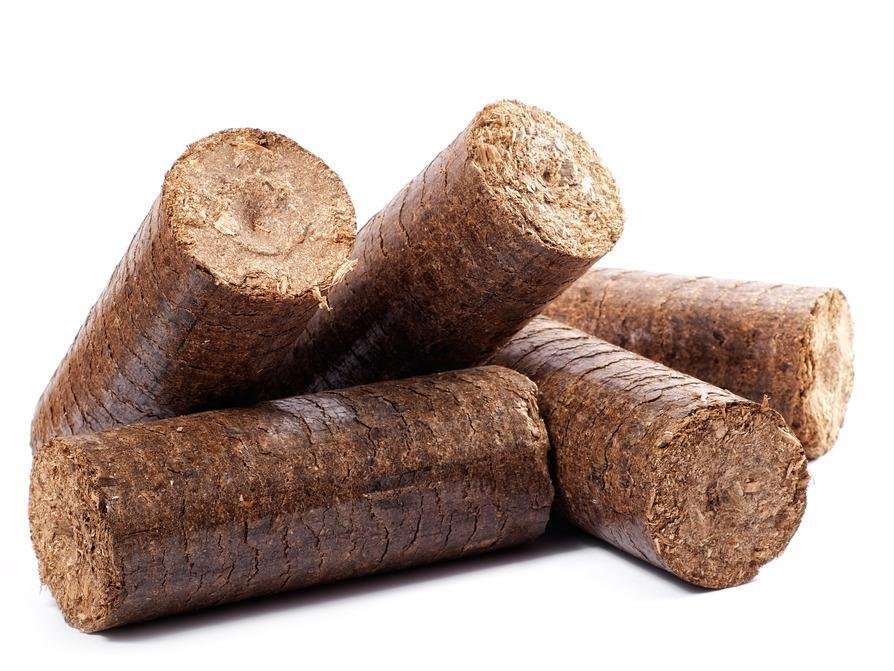
Biomass briquettes are solid fuel blocks manufactured by compressing suitable biomass materials under high pressure.
These materials may include agricultural residues, sawdust, wood waste, rice husk and other suitable biomass resources, depending on the manufacturing process and product specifications.
Biomass briquettes are generally produced through a mechanical densification process that converts loose biomass materials into compact, easier-to-handle fuel blocks.
Common applications of biomass briquettes include:
- Industrial boilers
- Steam generation systems
- Manufacturing industries
- Food processing facilities
- Textile and other process-heating industries
- Selected industrial furnaces
The suitability of biomass briquettes depends on their size, moisture content, calorific value, ash content and compatibility with the user’s combustion system.
2. What Is Coal?
Coal is a naturally occurring fossil fuel formed over millions of years from ancient organic matter subjected to geological processes.
It is extracted through mining and used in various industries for heat and power generation.
Coal is available in different grades, including different types with varying carbon content, moisture, ash content and calorific value.
Common applications of coal include:
- Industrial boilers
- Power generation
- Cement manufacturing
- Steel and other heavy industries
- Industrial heating systems
The characteristics and performance of coal vary depending on its grade and quality.
3. Biomass Briquettes vs Coal: Key Differences
Both biomass briquettes and coal can be used as solid fuels in certain industrial heating applications. However, their origins, production methods and fuel characteristics are different.
| Comparison Factor | Biomass Briquettes | Coal |
|---|---|---|
| Source | Biomass and organic residues | Fossil fuel |
| Production | Mechanical densification | Mining and processing |
| Renewable potential | Can be renewable when sourced sustainably | Non-renewable |
| Carbon origin | Recently grown biomass | Geological fossil carbon |
| Availability | Depends on biomass supply chains | Depends on mining and distribution |
| Fuel properties | Vary by raw material and processing | Vary by coal grade |
| Ash content | Depends on biomass type and contamination | Depends on coal grade |
| Storage | Requires protection from moisture | Requires appropriate coal storage facilities |
| Industrial use | Suitable for compatible heating systems | Used in many established industrial systems |
Important: Neither fuel has identical performance in every application. A proper comparison should be based on actual fuel test reports and the requirements of the industrial heating system.
4. How Are Biomass Briquettes Manufactured?
Biomass briquettes are manufactured through a series of processing stages.
The general manufacturing process includes:
Step 1: Raw Material Collection
Suitable biomass materials are collected from agricultural, forestry and wood-processing sources.
Step 2: Moisture Management
The moisture content of the raw material is managed to achieve suitable conditions for the briquetting process.
Step 3: Size Reduction
Larger biomass materials are reduced into smaller particles to support consistent processing.
Step 4: Briquette Formation
The processed biomass is compressed using specialised briquetting machinery to form compact solid fuel blocks.
Step 5: Cooling and Screening
The formed briquettes are allowed to cool and are checked for physical consistency and quality.
Step 6: Storage and Dispatch
The finished products are stored under suitable conditions before transportation and delivery.
5. Why Are Industries Considering Biomass Briquettes?
Biomass briquettes can offer several potential advantages when compared with conventional fossil fuels, depending on the application and quality of the fuel.
Utilisation of Biomass Residues
Suitable agricultural and wood-processing residues can be converted into useful solid fuel instead of being left unused or disposed of.
Renewable Fuel Potential
When biomass is sourced sustainably and managed responsibly, it can provide a renewable source of energy.
Easier Handling
The densified shape of biomass briquettes can make handling, transportation and storage more convenient than handling loose biomass materials.
Alternative Industrial Fuel
Biomass briquettes can be considered as an alternative fuel for certain industrial heating applications, subject to equipment compatibility and performance testing.
Resource Efficiency
Using suitable biomass residues can support better utilisation of available organic resources.
6. Important Factors Before Switching from Coal to Biomass Briquettes
Industries should evaluate several technical and operational factors before changing their existing fuel system.
Calorific Value: Check the actual calorific value of the briquettes and compare it with the existing fuel requirement.
Moisture Content: Higher moisture can affect combustion performance and overall fuel consumption.
Ash Content: Understand the expected ash generation and the requirements for ash handling and disposal.
Boiler Compatibility: Check whether the existing boiler, furnace, burner and fuel-feeding arrangements are suitable for biomass briquettes.
Fuel Supply: Ensure that the supplier can meet your required quantity and delivery schedule.
Total Operating Cost: Compare the delivered fuel cost, storage, transportation, handling, efficiency and maintenance requirements rather than considering only the purchase price per tonne.
A technical assessment and, where appropriate, a controlled fuel trial can help industries make a more informed decision.
7. Which Fuel Should Industries Choose?
There is no single answer for every industry.
Coal may remain suitable for facilities with established coal-based systems and specific operational requirements.
Biomass briquettes may be a suitable alternative for industries looking to utilise biomass-based solid fuels, provided the product quality, supply availability and equipment compatibility meet their requirements.
The best choice depends on the industry’s energy demand, boiler design, fuel specifications, operating costs and long-term fuel strategy.
8. Frequently Asked Questions
Q1. What are biomass briquettes made from?
Biomass briquettes can be manufactured from suitable agricultural residues, sawdust, wood waste, rice husk and other biomass materials.
Q2. Can biomass briquettes replace coal in industrial boilers?
In some applications, biomass briquettes can be used as an alternative to coal. However, compatibility depends on boiler design, fuel specifications, combustion arrangements and operating conditions.
Q3. Are biomass briquettes renewable?
Biomass briquettes can be considered a renewable fuel when produced from sustainably sourced biomass materials.
Q4. Do biomass briquettes have the same calorific value as coal?
No. Calorific value varies according to the raw materials, moisture content and processing quality of biomass briquettes, as well as the grade of coal.
Q5. Which industries use biomass briquettes?
Industries with suitable solid-fuel heating systems, including certain textile, food processing, manufacturing and other industrial facilities, may use biomass briquettes.
Conclusion
Biomass briquettes and coal serve industrial heating requirements but differ in their sources, production methods and fuel characteristics.
For industries exploring alternative fuel options, biomass briquettes offer an opportunity to utilise suitable biomass residues and consider renewable solid-fuel solutions.
Before selecting a fuel, businesses should evaluate product specifications, boiler compatibility, availability, quality and overall operating costs.
Looking for Biomass Briquettes for Your Industrial Requirements?
LR Bioenergy Industries focuses on biomass-based fuel solutions, including biomass briquettes and biomass pellets.
Explore our products and get in touch with our team to discuss your industrial fuel requirements.